


This is not the preachy one. You are an adult, you make your own choices, and a good glass of wine on a Friday is one of life’s genuine pleasures. But if you have ever wondered why the scales creep up after a weekend away, why your sleep feels broken after a few drinks, or why training feels flat for a couple of days after a night out, this is what is going on between alcohol and weight loss.
In this article
The short answer
Your body treats alcohol as a priority to clear, so fat burning and muscle repair go on hold while it deals with it. It also breaks up your sleep. One drink will not undo weeks of good work. However, two or three nights a week, every week, quietly holds back the results you are training for. That is the real link between alcohol and weight loss.
79%
drop in fat burning in the hours after about two drinks
24%
less muscle building after heavy drinking, even with protein
14
units a week is the UK low risk limit, around six glasses of wine
Why your body puts alcohol first
The moment alcohol enters your system, your body makes it a priority. Not because it is useful, since it has no nutritional value, but because the body wants it gone.
Everything else waits. In one study, healthy men who drank the equivalent of about two drinks saw their whole body fat burning fall by around 79% in the hours that followed. Their bodies burned the alcohol first and left the fat where it was.
This is why a night out does not just affect that evening. It also affects how well you recover from the training you did earlier in the week.
What it does to muscle and recovery
After training, your body repairs and builds muscle. That is where your results come from. Alcohol gets in the way of that process.
In a study of people who drank heavily after a hard training session, muscle building was 24% lower, even though they also had a protein shake. When they had carbohydrate instead of protein, it was 37% lower. That was a big night, not a single glass. Still, it shows the direction of travel.
Alcohol also raises cortisol, your main stress hormone. Over time, higher cortisol is linked with more fat stored around the middle and more muscle being broken down. For women in their 40s and 50s who are already going through hormonal changes that affect where fat is stored, this adds to a challenge that is already there.
FREE GUIDE
Nutrition: Choices and Habits. Our free guide to making better food choices and building eating habits that last, written for adults over 40.
Why you sleep but do not recover
Alcohol helps you fall asleep faster. Most people know that. What most people do not know is what happens later in the night.
A large review of sleep studies found that alcohol breaks up sleep in the second half of the night. At moderate and higher amounts, it also cuts REM sleep, the dreaming stage that matters for memory and mood. You can spend eight hours in bed and wake up feeling like you had four.
Sleep is where a big part of your recovery happens. We cover this in more detail in why poor sleep stalls your results after 40.
One drink does not undo weeks of good work, any more than one salad creates it.
When alcohol and weight loss stop working together
None of this means a glass of wine is going to derail your results. It will not.
But two or three nights a week, over months and years, adds up. Not because alcohol is uniquely evil, but because of what it pushes out of the way: sleep quality, recovery, fat burning and muscle repair. These are the things that decide whether the work you put in at the gym actually shows up. With alcohol and weight loss, it is the pattern that matters, not the single drink.
The members who get the best results over the long term are not always the ones who never drink. They are the ones who understand the trade off and make conscious choices. A glass of something you love on a Friday with people you care about? Worth it. Three glasses on a Tuesday because the week has been stressful? Your sleep, your recovery and your next session will feel that.
01
Pick your nights
Decide in advance which evenings are worth it. A planned drink with friends feels very different from a habit at the end of every day.
02
Keep drink free days
The NHS advises several drink free days a week, with drinking spread over three days or more if you have as much as 14 units.
03
Protect training days
Keep the night after a training session drink free where you can, so your body gets the full recovery from the work you put in.
04
Eat and hydrate
Have a proper meal with plenty of protein and drink water alongside alcohol. It slows the pace you drink at and makes the next day easier.
Where to start this week
YOUR ACTION THIS WEEK
After your next training session, notice how you recover over the following 48 hours: how you sleep, how your energy feels and how your body responds. Then do the same after a night where you have had a few drinks. You do not need an app. Just notice.
The difference will tell you everything. Once you have seen it for yourself, making the trade off gets a lot easier.
Quick answers
Does alcohol stop you losing weight?
Not on its own, but it slows things down. While your body clears alcohol, fat burning drops sharply. In one study it fell by 79% in the hours after drinking. Add the extra calories and the snacking that often comes with a drink, and progress stalls.
How much alcohol is OK if I want to lose weight?
There is no magic number. The NHS advises no more than 14 units a week, spread over three or more days. For fat loss, how many nights you drink usually matters more than what you drink.
Does alcohol affect sleep and recovery?
Yes. Alcohol helps you fall asleep, but it reduces the quality of your sleep later in the night, which is when much of your recovery happens. That is why you can sleep eight hours after a few drinks and still wake up tired. More on that in why poor sleep stalls your results.
How we help at Power
At Power in Guiseley, we coach adults in their 40s, 50s and 60s in small groups. We do not ask anyone to give up the things they enjoy. Instead, we help you understand what makes the biggest difference to your results and build habits that fit your life.
Find out more about small group personal training in Guiseley.
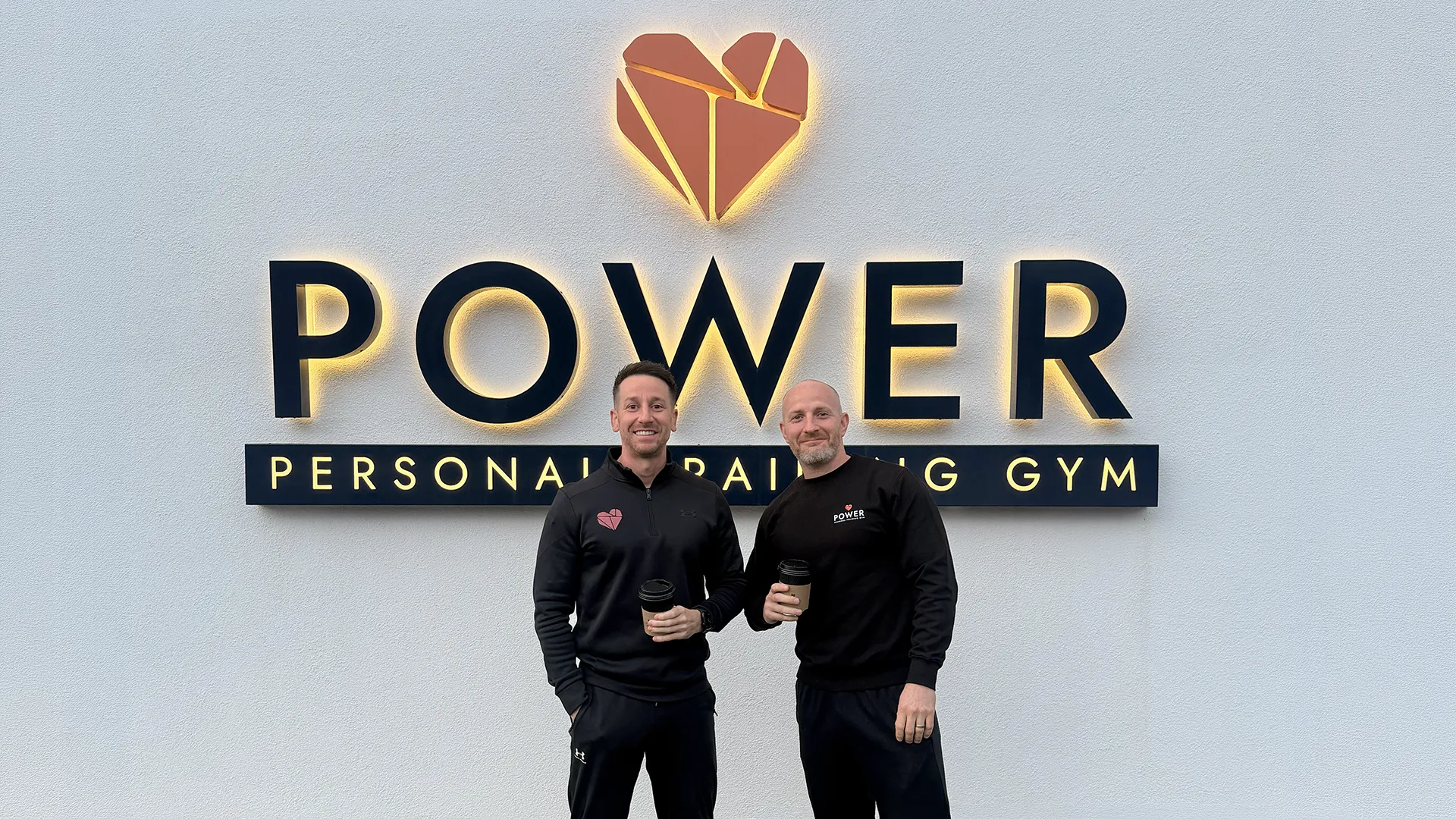
Written by Callum White
Co-founder of Power Personal Training in Guiseley. Callum has been coaching adults over 40 for 15 years.
If you are worried about how much you drink, speak to your GP. The NHS has free tools and advice to help you drink less. This article is general information, not medical advice.
Sources
- Siler SQ, Neese RA, Hellerstein MK (1999). De novo lipogenesis, lipid kinetics, and whole body lipid balances in humans after acute alcohol consumption. American Journal of Clinical Nutrition. PubMed
- Parr EB et al. (2014). Alcohol ingestion impairs maximal post exercise rates of myofibrillar protein synthesis following a single bout of concurrent training. PLoS One. PubMed
- Ebrahim IO et al. (2013). Alcohol and sleep I: effects on normal sleep. Alcoholism: Clinical and Experimental Research. Summary
- NHS. Drink less: alcohol units and guidelines. NHS