

You rest it. It eases off. You get back to training. Then a few weeks later it is back, in exactly the same spot. If your lower back pain keeps coming back, you are not unlucky, and it is rarely the training that causes it. Here is what is actually going on, what the research shows, and the ten minute daily routine that breaks the cycle.
In this article
The short answer
Back pain usually settles within a few weeks, but for most people it comes back. When you are in pain, the muscles that protect your spine switch off, and they do not switch back on by themselves when the pain goes. Rest makes that worse. Regular, targeted movement is what fixes it.
69%
of people had back pain return within a year of recovering
40%
had it return badly enough to limit what they could do
10 min
a day of the right exercises is where most people should start
Why lower back pain keeps coming back
Back pain builds slowly in the background of a full life. Hours at a desk. A schedule that never really stops. The way stress and tension settle into the body when you are running on empty, week after week.
By the time the pain shows up, the groundwork has usually been laid for months. Training does not cause it. However, when the muscles that support your spine stop doing their job properly, your back ends up taking far more load than it should.
This is far more common than most people think. In a 2019 study that followed 250 people who had just recovered from back pain, 69% had it come back within a year. Spending longer sitting and more time in awkward positions both made it more likely to return.
Why resting it makes things worse
When the pain flares, the instinct is to stop training completely. That is understandable, but it is the wrong call.
Long periods of rest weaken the very muscles that support your spine. The body recovers through movement, not in spite of it. That is why the NHS and the national guidelines for back pain in the UK both recommend staying as active as you can and using exercise as the first step.
In 15 years of coaching adults over 40, this is the pattern I see most. The people whose back pain keeps returning are rarely the ones who train too hard. They are the ones who stop as soon as it eases, and only start again when it flares.
The muscles that switch off
When your body feels pain, it automatically turns down the muscles around the sore area to protect it. That is smart in the short term. The problem is that those muscles do not switch back on by themselves once the pain has gone.
A well known study tracked people after their first episode of lower back pain. Even after the pain had cleared, a key deep muscle that supports the spine had not recovered on its own. In contrast, the group given specific exercises did recover it. The researchers suggested this may be one reason back pain comes back so often.
So without the right work to reactivate them, you go back to training feeling fine, but without the protection your spine needs. Get those muscles working properly again before you load them and you break the cycle. Skip that step and there is a good chance you will be back where you started.
You have been treating the symptom. The cause is still there.
FREE GUIDE
Free guides for adults over 40. Our free guides cover training myths, nutrition and building habits that last, written by the Power coaches.
Your lower back is rarely where it starts
In most cases, the lower back is not even where the problem begins. Tight hips and a core that is not doing its job force the spine to compensate and work much harder than it should.
What happens outside the gym matters just as much. Moving regularly through the day, managing stress and sleeping well all create the conditions your body needs to recover. If sleep is a struggle, read why poor sleep stalls your results after 40. The body heals in the margins of your life, not just in the hour you spend training.
The McGill Big Three
Professor Stuart McGill is one of the world’s leading spine researchers. These three exercises are his foundation for rebuilding a resilient back. They are simple, low risk and take five to ten minutes.
01
Modified curl up
Lie on your back with one knee bent. Lift your head and shoulders a few centimetres, hold for a breath or two, then lower. Keep your lower back still.
02
Side plank
Start on your knees and forearm, then progress to your feet. Hold for a few seconds at a time and build up. Do both sides.
03
Bird dog
On hands and knees, reach one arm forward and the opposite leg back. Hold briefly, keep your back level, then swap sides.
Coach Jim walks you through all three in this short video. Watch it first, take your time, and focus on doing each one well.
▶ Watch Coach Jim demo the Big Three
Short video on YouTube. Opens in a new tab.
Where to start this week
YOUR ACTION THIS WEEK
Do the McGill Big Three every day for the next seven days. Five to ten minutes. Keep it slow and controlled, and stop anything that sharpens your pain. Frequency matters far more than intensity here.
Give it at least a couple of weeks of daily practice. Done consistently, it gives your back a much better chance of staying settled when you go back to training properly.
Quick answers
Is it normal for lower back pain to keep coming back?
Yes. In one study of people recovering from a back pain episode, 69% had it return within a year. Pain that keeps returning is common, and it is usually a sign the cause has not been dealt with, not that something is seriously wrong.
Should I rest or keep moving with lower back pain?
Keep moving where you can. NICE guidelines recommend exercise as part of managing low back pain, and long periods of rest tend to weaken the muscles that support your spine. Ease off anything that sharpens the pain, but do not stop altogether.
Can sitting all day cause lower back pain?
Long spells of sitting without moving can leave your hips stiff and your glutes switched off, which puts more load on your lower back. Getting up regularly through the day and moving for a minute or two makes a real difference.
MEMBER STORY
Jonathan, 51: pain free for three years
Jonathan came to Power really struggling with his back. Years of sitting for most of the day had left it sore and stiff, and it was getting in the way of everyday life, not just training.
Today he has been pain free for three years.
How we help at Power
Every session at Power is built around progressive, purposeful movement. Not random. Not hard for the sake of it. Our coaches know your history, adjust your training around your back, and build a body that is strong enough to handle everything you ask of it.
If you want training that protects your back rather than aggravates it, find out more about small group personal training in Guiseley.
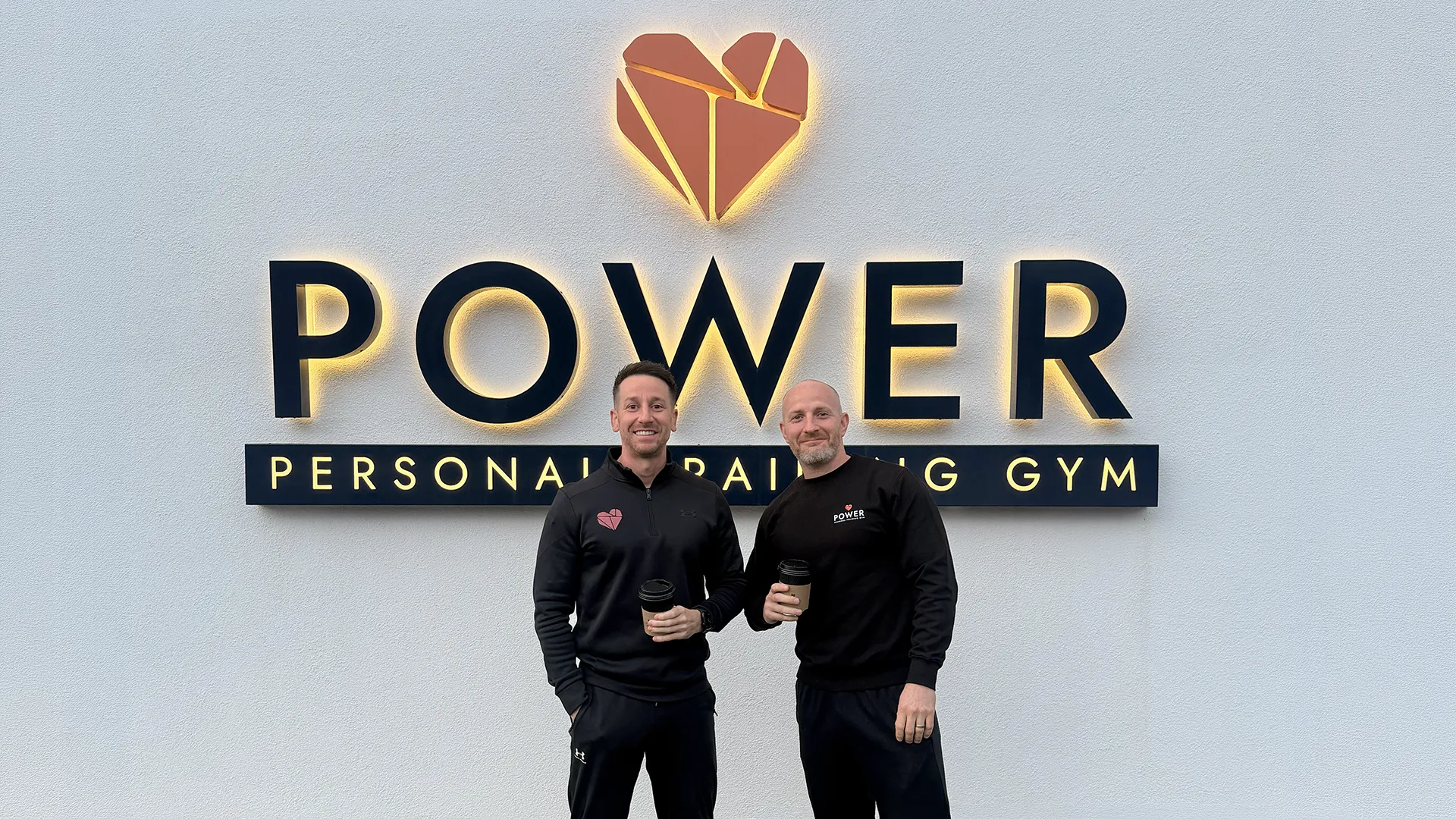
Written by Callum White
Co-founder of Power Personal Training in Guiseley. Callum has been coaching adults over 40 for 15 years.
If you have back pain with numbness or tingling in both legs, or a loss of feeling around your genitals or bottom, call 999 or go to A&E. If you feel hot, shivery or unwell, or the pain is severe and getting worse quickly, get an urgent GP appointment or contact 111. The NHS has a guide to back pain. This article is general information, not medical advice.
Sources
- da Silva T et al. (2019). Recurrence of low back pain is common: a prospective inception cohort study. Journal of Physiotherapy. PubMed
- Hides JA, Richardson CA, Jull GA (1996). Multifidus muscle recovery is not automatic after resolution of acute, first episode low back pain. Spine. PubMed
- NICE (2016, updated 2026). Low back pain and sciatica in over 16s: assessment and management (NG59). NICE
- Scaff SPS et al. (2024). Exercises for the prevention of non specific low back pain. Cochrane Database of Systematic Reviews. Full review