

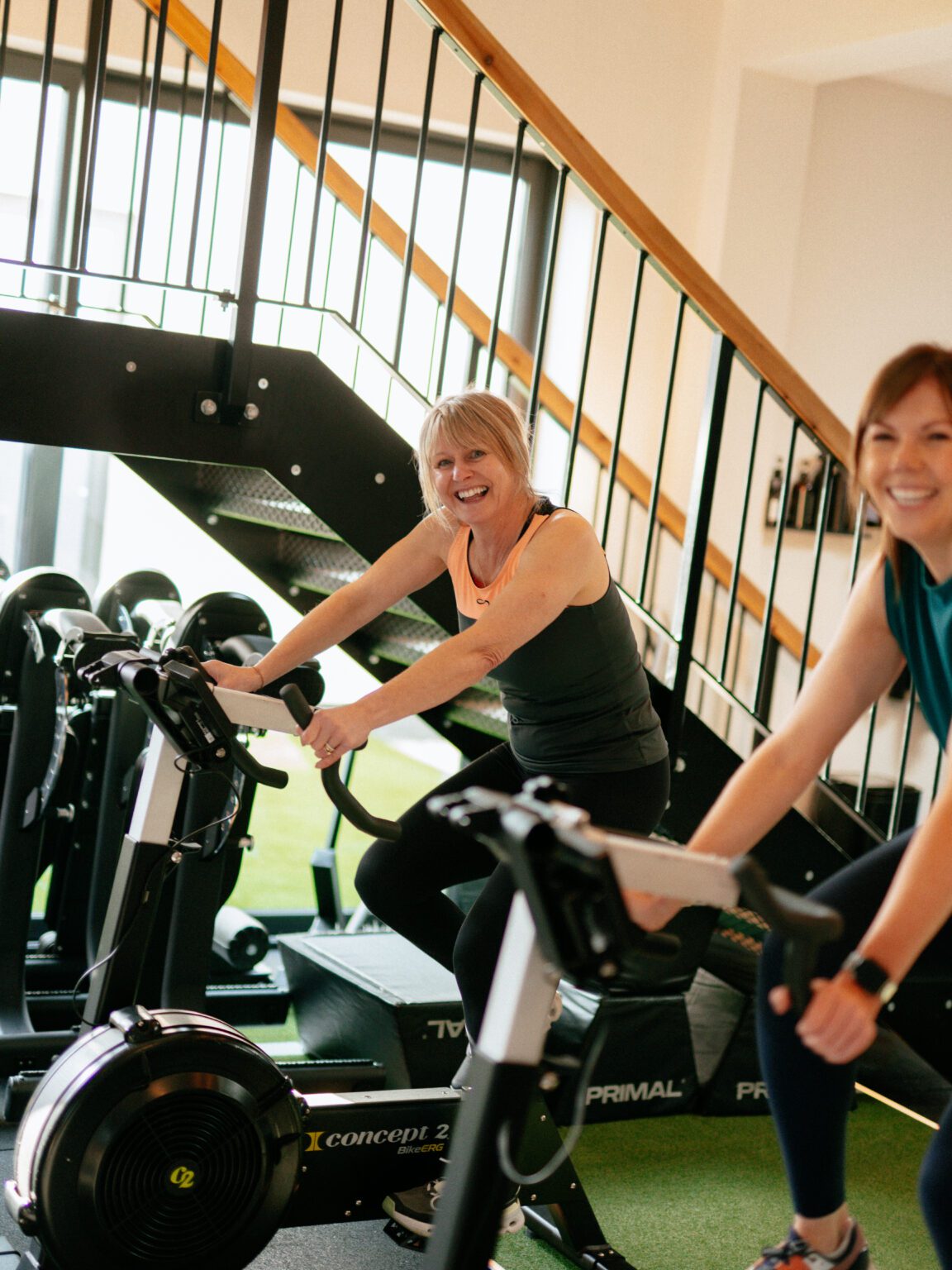
If you are eating well, training hard and the scales still will not move, sleep might be the piece you are missing. The link between sleep and weight loss is one of the most overlooked in health and fitness, especially for people in their 40s, 50s and 60s. Here is what the research shows, what it means for your training, and the simplest place to start.
In this article
The short answer
Poor sleep does not just leave you tired. In one well known study, people on the same diet lost far less fat and far more muscle when they slept 5.5 hours instead of 8.5. Short sleep also makes you hungrier. Fixing your sleep will not replace good training and nutrition, but it can be the reason they start working.
55%
less fat lost on short sleep, eating exactly the same diet
60%
more muscle lost on short sleep over the same two weeks
559
extra calories eaten the day after one short night
What your body does while you sleep
Sleep is not passive. In fact, it is one of the most active and important things your body does.
While you sleep, your body repairs the muscles you worked in training and restores the energy you need for your next session. It helps you get better at the movements you practised, so strength and skill keep building while you rest. Your immune system does some of its most important work too.
Sleep is not downtime from your health. It is when a big part of it happens.
What the research shows about sleep and weight loss
First, this is not here to make you feel bad about poor sleep. It is here so you understand why rest matters as much as training and nutrition.
Same diet, very different results
A study published in the Annals of Internal Medicine put overweight adults, average age 41, on the same calorie controlled diet for two weeks. Once with 8.5 hours in bed each night, and once with 5.5 hours.
They lost roughly the same weight both times. But what they lost was completely different. On short sleep, they lost 55% less fat and 60% more muscle.
Same food. Same calories. And the same number on the scales. But on short sleep, the body was giving up muscle instead of fat. This matters for how you look, how you feel and how well your body works as you get older.
One bad night already makes a difference
A 2021 study in Physiological Reports found that a single night without sleep cut muscle building by 18% and raised cortisol, a stress hormone, by 21%. In plain terms, after one bad night your body is less able to build and repair muscle. So that is not a lack of willpower. That is biology.
Why poor sleep makes weight loss harder
Hunger is the link most people never make.
In one study, men who slept four hours ate 559 more calories the next day than when they slept eight. Also, their hunger was higher before breakfast and before dinner. In other words, their bodies were pushing them towards food to make up for the lost sleep.
If you have had a run of bad nights and noticed stronger cravings, harder food choices and less motivation to eat well, that is not weakness. It is a measurable response to not enough sleep. So the problem is not your effort. Sleep is the root cause, and it is a big part of why sleep and weight loss are so closely linked.
FREE GUIDE
What To Eat and When. Our free guide to fuelling your training and keeping cravings in check, written for adults over 40.
How sleep affects your training and weight loss
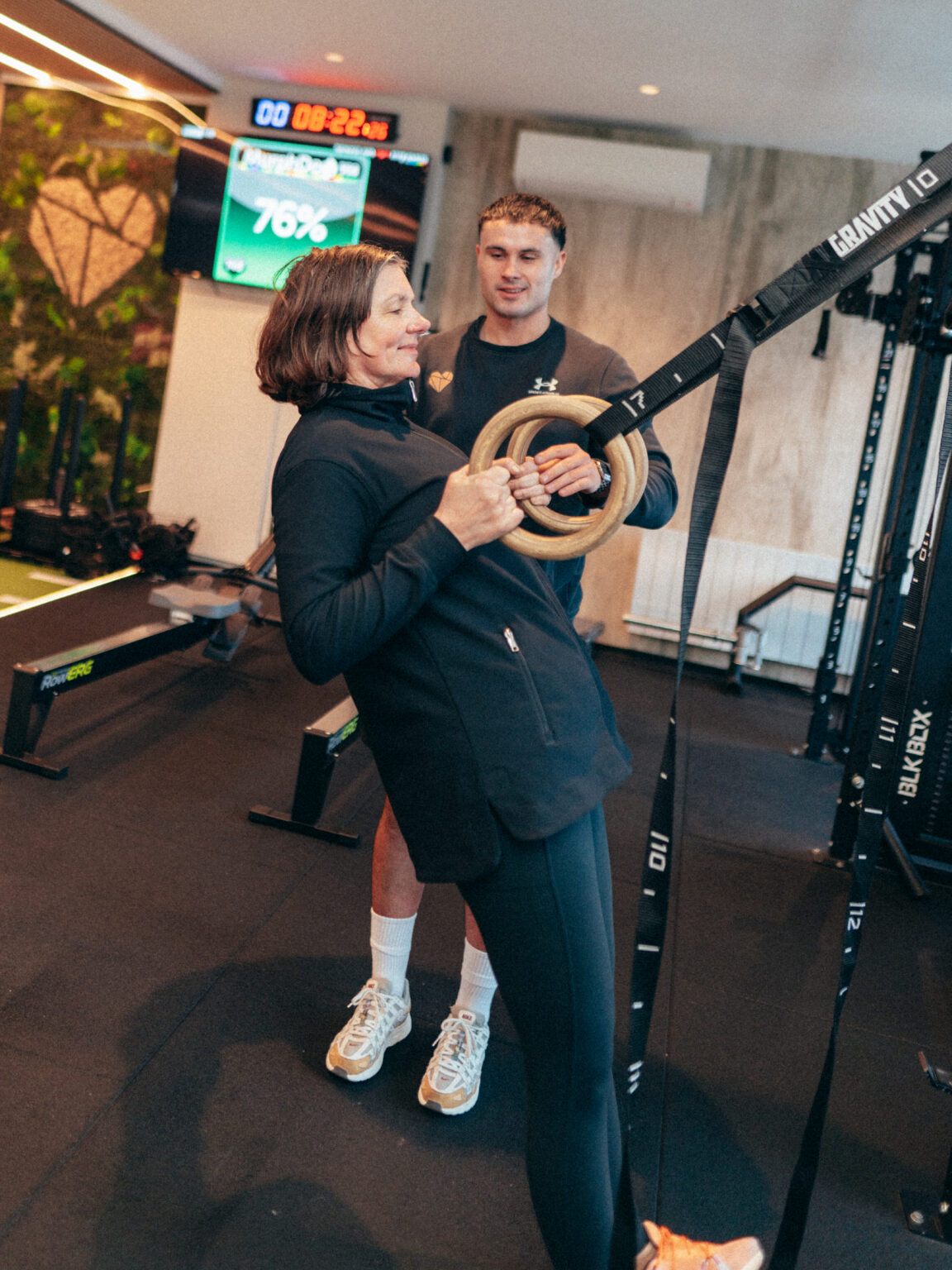
When your sleep is regularly broken, sessions feel harder than they should. You may also be a little weaker, and recovery between sessions takes longer. As a result, progress can stall even when your training and nutrition look right on paper.
This is especially true for women going through perimenopause and menopause. Night sweats, lighter sleep and waking early are physical changes, not bad habits you can fix by going to bed earlier. The effect on recovery and body shape is real, and it deserves to be taken seriously rather than pushed through. We cover more of this in our guide to menopause and bone density.
If low energy is getting in the way of training at all, read how to exercise when you are tired after 40.
Six changes that help you sleep better
These are the changes with the strongest evidence behind them. You do not need to do all six. Instead, pick one.
01
Same wake time, every day
Keep it fixed, weekends included, because it is the single most effective habit for setting your body clock, even when your bedtime moves around.
02
Keep your bedroom cool
To fall asleep, your body needs to cool slightly. Around 16 to 19°C helps. However, most bedrooms are too warm.
03
Get outside in the morning
For example, daylight within 30 minutes of waking, even on a grey Yorkshire morning, keeps your body clock on track all day.
04
No caffeine after midday
Caffeine stays in your system for hours, so a 3pm coffee can still be working at 9pm. Try two weeks without it after lunch.
05
Go easy on alcohol
A drink may help you nod off, but it breaks up your sleep and cuts the deep sleep you need most. Even two or three drinks show.
06
Write tomorrow’s list
In a sleep lab study, five minutes writing a to do list before bed helped people fall asleep faster. Pen and paper.
Where to start this week
YOUR ACTION THIS WEEK
Pick a wake time that works for your life and keep it for seven days, weekend included. Do not worry about bedtime yet. Just the wake time. Then notice how you feel by the end of the week.
That one change, done consistently, is where better sleep usually starts. Over time, even 30 to 60 minutes more good sleep each night can make a real difference to your energy, your training and your weight loss. You are not failing. You are managing something hard.
How we help at Power
At Power in Guiseley, we coach adults in their 40s, 50s and 60s in small groups. When a member’s sleep is broken, our coaches adjust their training to match, managing recovery rather than pushing harder than their body can handle right now. That is what good coaching looks like.
If you want a plan built around your life, not just your workouts, find out more about small group personal training in Guiseley.
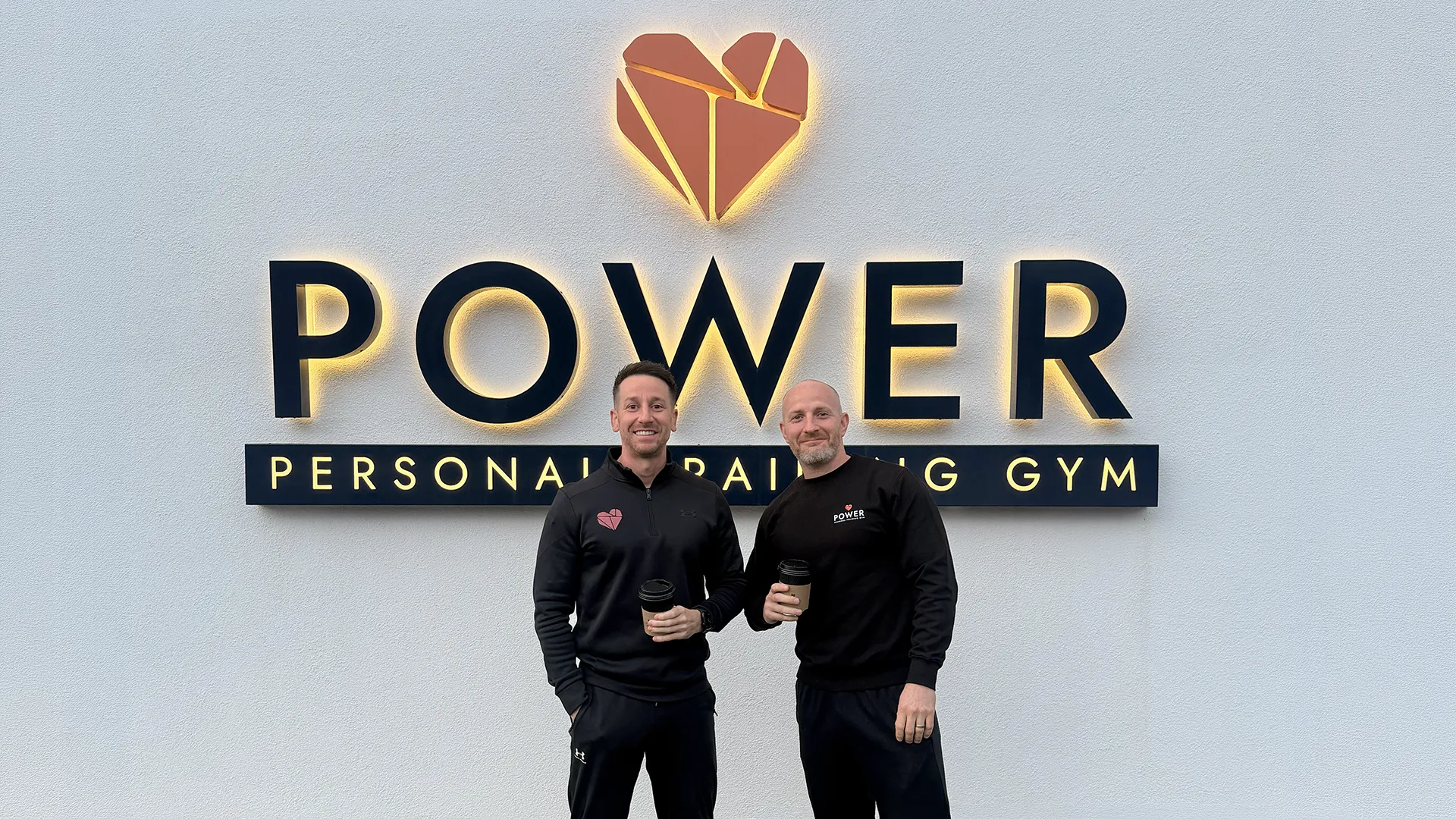
Written by Callum White
Co-founder of Power Personal Training in Guiseley. Callum has been coaching adults over 40 for 15 years.
If you have struggled to sleep for three months or more, or someone has noticed you snoring loudly or stopping breathing at night, speak to your GP. The NHS has a guide to insomnia. This article is general information, not medical advice.
Sources
- Nedeltcheva AV et al. (2010). Insufficient sleep undermines dietary efforts to reduce adiposity. Annals of Internal Medicine. PubMed
- Lamon S et al. (2021). The effect of acute sleep deprivation on skeletal muscle protein synthesis and the hormonal environment. Physiological Reports. Full study
- Brondel L et al. (2010). Acute partial sleep deprivation increases food intake in healthy men. American Journal of Clinical Nutrition. PubMed
- Scullin MK et al. (2018). The effects of bedtime writing on difficulty falling asleep. Journal of Experimental Psychology: General. Summary