

You have done the work. Not just once. Multiple times. You have cut carbs, counted calories, tried intermittent fasting, followed the plan, bought the book and downloaded the app. You have said no to birthday cake and meal prepped on a Sunday when you would rather have done anything else. And it worked, for a while. Then life got in the way, and somewhere in that cycle you started to wonder if the problem was you. It is not. It never was. Here is how to stop overeating, and how to build a relationship with food that actually lasts.
In this article
The short answer
Overeating is rarely about willpower. It is driven by hunger hormones, the reward we get from food, emotions, stress and the restrict then overeat cycle that most diets create. The fix is not another diet. It is a simple framework you can keep up for years: protein and vegetables at every meal, sensible portions without obsession, and consistency over perfection.
8 years
not 8 weeks. The diet that works is the one you can sustain
1 palm
of protein at every meal, the simplest change for most people after 40
4
hand portions. No app, no scales, no calorie counting
It is not you. It never was.
Every approach you have tried has legitimate research behind it. Keto works. Intermittent fasting works. Calorie counting works. They all produce results in controlled conditions, with motivated people, over a fixed period of time.
But here is what the studies do not show you. The dropout rates. The weight regained within a year. The relationship with food that becomes complicated, anxious and exhausting.
Yet the research on long term nutrition is clear. Your single biggest predictor of success is not the approach. It is adherence.
The diet that works is the one you can sustain, not for eight weeks but for eight years.
Almost none of the frameworks being sold to you were designed with that in mind. You have not been doing it wrong. You have been following systems that were never built to last.
Why we overeat
Your hunger hormones
Hunger is your body’s way of signalling that it needs energy. A hormone called ghrelin, often called the hunger hormone, nudges your brain to look for food. Once you have eaten, leptin, the fullness hormone, tells you it is time to stop. But there are plenty of times we eat well past satisfied, and that is where other things take over.
The reward of food
Food packed with fat, sugar or salt sparks a release of dopamine, the brain’s feel good chemical. The more often we reach for those foods, the stronger the pull becomes, until it feels like second nature.
Emotional eating
Physical hunger can be satisfied by any decent meal. Emotional hunger is different: a craving for comfort food that hangs around even after a full meal. Food becomes a quick way to feel better, and the more we lean on it, the more the habit sticks. One simple tactic is to pause before you eat when you feel low. Even if you still eat, every pause makes the next one easier.
Stress eating
Ongoing stress raises cortisol, which can increase appetite and push you towards calorie dense comfort food. Poor sleep does the same, raising hunger and making you feel less full. If cravings are worse after a bad night, read how poor sleep drives hunger and stalls weight loss.
The diet roller coaster
Restrict, overeat, start again. Cutting back hard makes your body push out more hunger signals, and telling yourself you cannot have certain foods makes you think about them more. The result is that we overeat the very foods we tried to avoid. It is not a lack of willpower. It is biology and psychology pulling in the same direction.
FREE PALM GUIDE
Portions made simple. Our one page palm guide to save on your phone and use from today. No app. No scales. No calorie counting. No guilt.
How to stop overeating: the four foundations
When you strip back every successful long term approach to eating, they all share the same foundations.
01
Protein at every meal
The most important thing you can do for your body after 40. It keeps you fuller for longer, takes more energy to digest than any other macronutrient, and protects the muscle that keeps your metabolism strong. Most women in their 40s and 50s are eating half the protein they need.
02
Vegetables at every meal
Fibre, vitamins, minerals and fullness. Vegetables do more work per calorie than anything else on your plate.
03
Portions without obsession
Sensible portions, without weighing, logging or guilt. The hand method below does the work for you.
04
Consistency over perfection
One bad meal does not ruin anything. A quiet pattern of mostly good choices over months and years is what transforms your health.
That is the whole framework. Everything else is noise.
Your hand is the only tool you need
- A palm of protein at every meal
- A fist of vegetables
- A cupped handful of carbohydrates
- A thumb of healthy fats
Eat slowly. Stop when you are satisfied. If you want to know how to stop overeating without counting a single calorie, this is it. Do it consistently and you will be doing more for your body than most diets ever delivered.
Your action this week
YOUR ACTION THIS WEEK
Use your hand at every meal for the next seven days: a palm of protein, a fist of vegetables, a cupped handful of carbs and a thumb of fats. Eat slowly and stop when you are satisfied, not stuffed.
You have spent long enough being told the answer is complicated. It never was.
Quick answers
How do I stop overeating?
Build every meal around a palm of protein and a fist of vegetables, eat slowly and stop when you are satisfied. Avoid strict diets that cut out foods you enjoy, because restriction often leads straight back to overeating.
Why do I overeat when I am stressed or tired?
Stress and poor sleep both increase appetite and push you towards comfort food. It is biology, not a lack of willpower. Better sleep and managing stress make the urge much easier to handle.
What is the best diet to stop overeating?
The one you can keep up for years. Most diets work for a while, but the biggest predictor of long term success is sticking with it. Simple habits beat complicated plans.
How we help at Power
At Power in Guiseley, we coach adults in their 40s, 50s and 60s in small groups. We do not hand out diets. We help you build simple habits around protein, vegetables and portions that fit your life, and we stay with you while they stick.
Find out more about small group personal training in Guiseley.
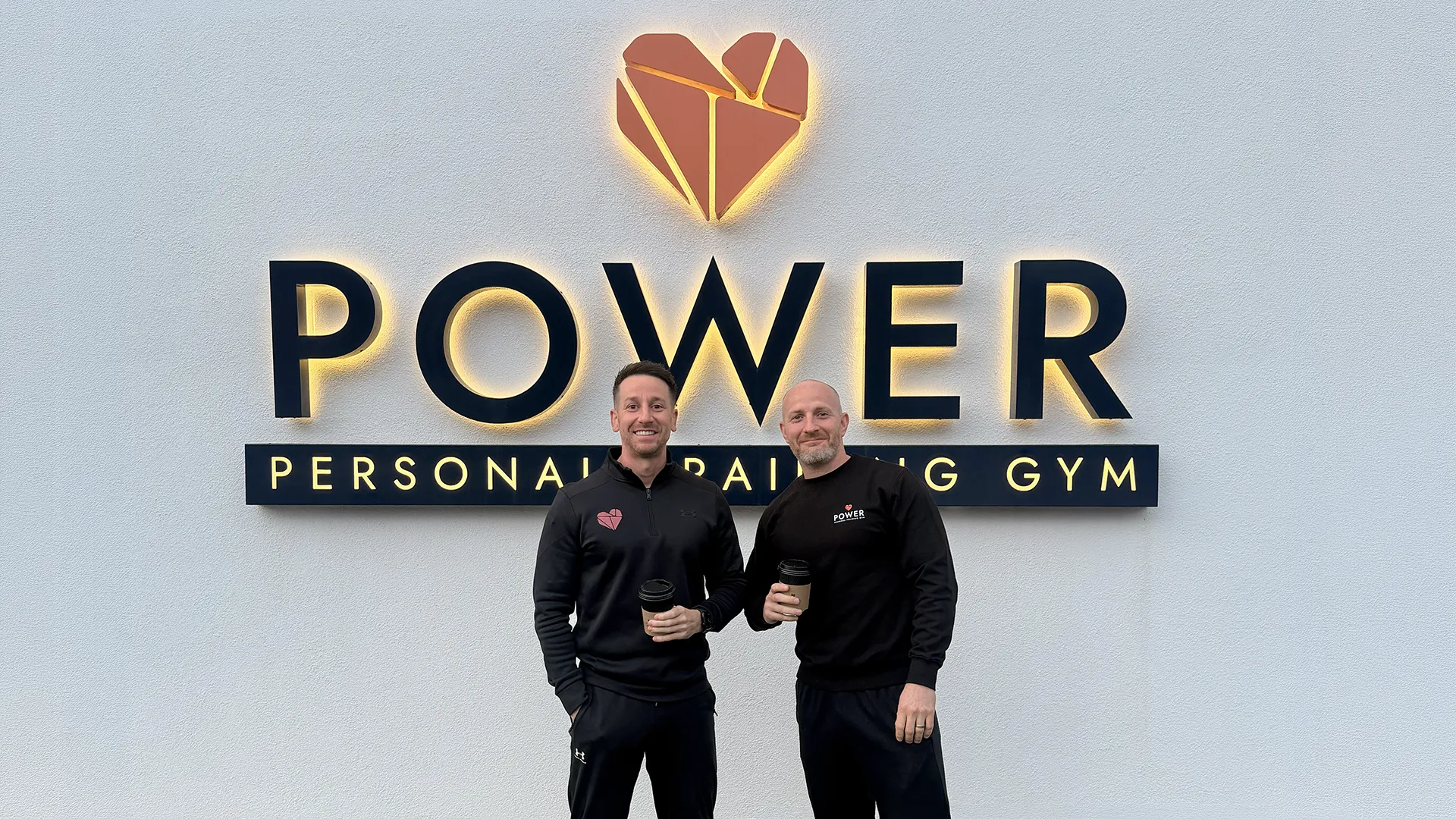
Written by Callum White
Co-founder of Power Personal Training in Guiseley. Callum has been coaching adults over 40 for 15 years.
If your relationship with food is causing you distress, or eating feels out of your control, please speak to your GP. This article is general information, not medical advice.